

|



Adding to cart succeed

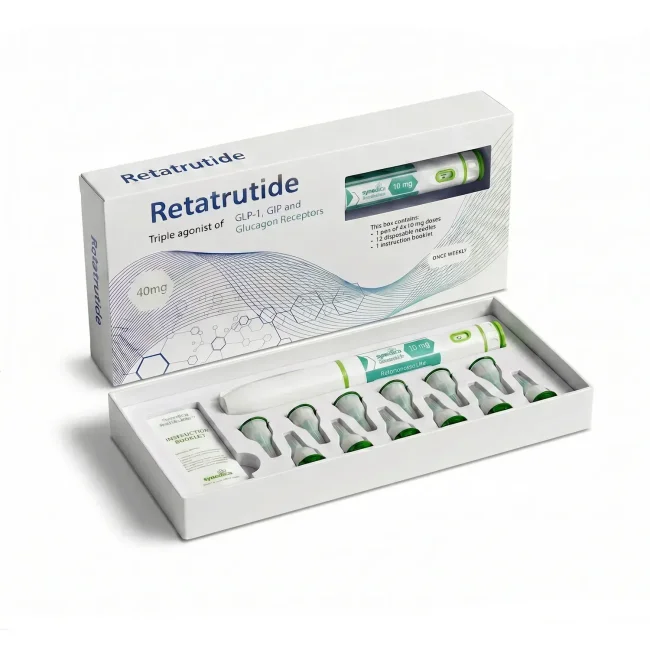
Retatrutide 40mg - A Game Changer in Obesity Pharmacotherapy
color:red,size:xxl
Subtotal: US$ 0
View My Cart


-
- Product Name: Retatrutide 40mg - A Game Changer in Obesity Pharmacotherapy
- Item NO.: 29332836
- Weight: 0.4 kg = 0.8818 lb = 14.1096 oz
- Category: BEST SELLERS
- Creation Time: 2026-07-15
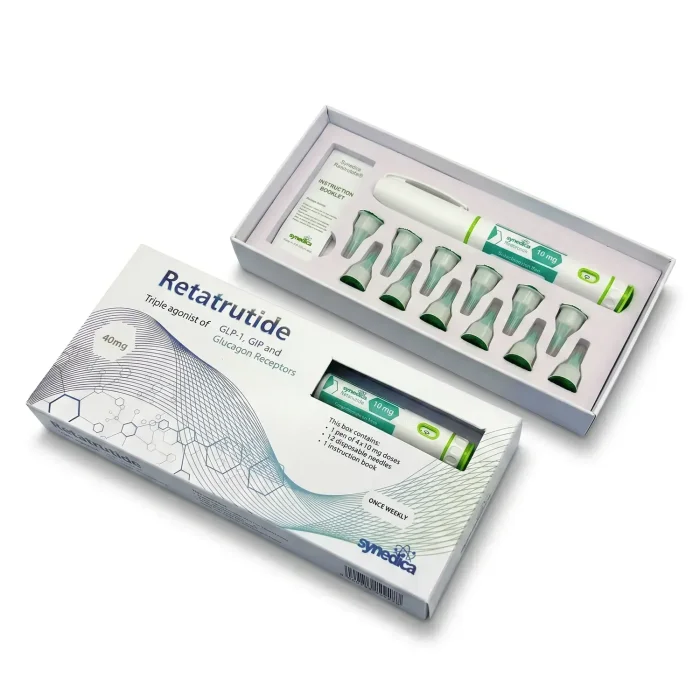
The Retatrutide 10 mg pen is an advanced research peptide that has received worldwide attention for its powerful action on the GLP-1, GIP and glucagon receptors. This unique triple action makes Buy Retatrutide particularly interesting for those researching fat burning, appetite control and sustained weight loss.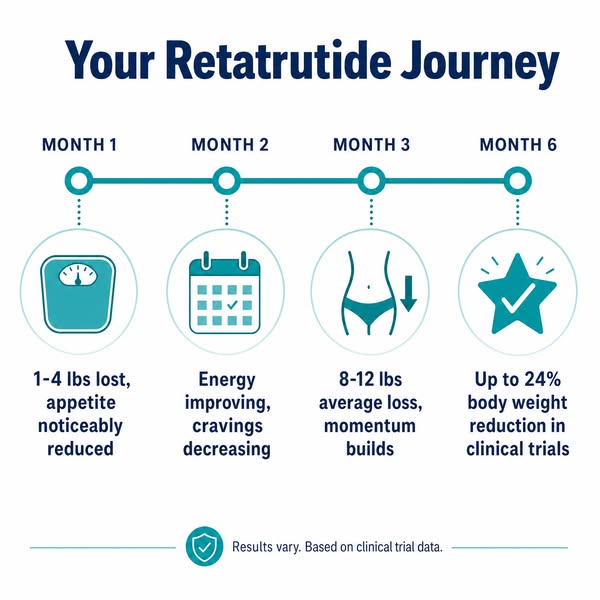
The Retatrutide pen is designed for precise dosing via a convenient click system. This allows for precise work within research projects focusing on metabolism, energy metabolism and body fat reduction. Thanks to its high purity and stability, Reta buy is becoming increasingly popular among laboratories and research institutions engaged in metabolic research.
SPECIFICATIONS
Manufacturer: Synedica
Quantity per pack: 1 injection pen
Country of origin: Germany
OVERVIEW
Retatrutide (LY3437943) represents the cutting-edge of multi-agonist peptide therapeutics, rationally designed as a triple agonist that simultaneously activates three distinct metabolic hormone receptors: the glucagon-like peptide-1 (GLP-1) receptor, the glucose-dependent insulinotropic polypeptide (GIP) receptor, and the glucagon receptor (GCGR).
This triple agonism strategy builds upon the remarkable clinical success of dual GLP-1/GIP agonists like tirzepatide, which have shown unprecedented weight loss efficacy, by adding a third mechanism - glucagon receptor activation - to further enhance metabolic benefits, particularly energy expenditure and hepatic fat oxidation.
The pharmaceutical industry's evolution in obesity therapeutics has progressed from single-target approaches (pure GLP-1 agonists like semaglutide) to dual agonists (GLP-1/GIP like tirzepatide), and now to triple agonists like retatrutide that attempt to orchestrate an even more comprehensive metabolic remodeling by simultaneously modulating multiple complementary pathways.
Retatrutide was specifically engineered with carefully optimized potencies at each of its three target receptors, balancing the appetite-suppressing and glucose-lowering effects of GLP-1 and GIP activation against the energy-expenditure-enhancing and fat-oxidizing effects of glucagon activation. This balancing act is critical because glucagon classically raises blood glucose (opposing insulin's effects), but when combined with GLP-1 agonism, the glucose-raising effects are counteracted while the metabolic benefits of increased energy expenditure and hepatic fat burning are preserved.
Clinical trial results for retatrutide have exceeded even the high expectations set by tirzepatide, with Phase 2 data published in the New England Journal of Medicine in 2023 demonstrating weight loss approaching 24-25% of baseline body weight over 48 weeks in some dose groups - weight reductions comparable to those achieved with bariatric surgery and substantially exceeding pharmacological obesity treatments available just a few years ago.
Beyond obesity, retatrutide is being investigated for type 2 diabetes and metabolic dysfunction-associated steatohepatitis (MASH), conditions where the combination of weight loss, improved glycemic control, and enhanced hepatic fat oxidation could provide comprehensive therapeutic benefits.
Mechanism of Action
Retatrutide exerts its therapeutic effects through simultaneous and carefully balanced activation of three G-protein coupled receptors with distinct but complementary metabolic functions.
GLP-1 Receptor Activation
The GLP-1 receptor component provides effects that have become the cornerstone of modern obesity pharmacotherapy: activation of GLP-1 receptors in the hypothalamus and brainstem powerfully suppresses appetite and induces satiety through effects on proopiomelanocortin (POMC) neurons and other appetite-regulatory circuits, leading to substantial reductions in caloric intake.
GLP-1 receptor activation on pancreatic beta cells enhances glucose-dependent insulin secretion, improving glycemic control while minimizing hypoglycemia risk. GLP-1 also slows gastric emptying, reducing the rate at which nutrients enter the small intestine, which contributes to satiety and moderates postprandial glucose excursions.
GIP Receptor Activation
The GIP receptor component adds complementary effects that enhance weight loss and metabolic improvement: GIP acts on adipose tissue to influence lipid metabolism and insulin sensitivity. GIP may have central nervous system effects on energy homeostasis and body weight regulation that are additive with GLP-1.
Research suggests GIP can enhance GLP-1's effects on insulin secretion through synergistic pancreatic effects, and may provide metabolic benefits including bone health preservation during weight loss and maintenance of energy expenditure.
Glucagon Receptor Activation
The glucagon receptor component represents the unique addition in retatrutide compared to dual agonists, providing effects specifically designed to enhance energy expenditure and fat oxidation: glucagon powerfully increases energy expenditure through thermogenic effects, boosting metabolic rate and caloric burning.
Glucagon promotes hepatic fatty acid oxidation (fat burning in the liver) and reduces intrahepatic lipid accumulation, which is particularly beneficial for MASH/NAFLD. It also enhances peripheral fat oxidation in skeletal muscle and other tissues, and may improve lipid metabolism and cardiovascular risk profiles through multiple mechanisms.
Balanced Triple Receptor Signaling
The critical innovation in retatrutide is the careful balancing of these three receptor activities - the glucagon receptor activation could theoretically raise blood glucose (glucagon's classical effect), but this is counteracted by the concurrent GLP-1 receptor activation which lowers glucose through multiple mechanisms.
At the molecular level, all three target receptors are Gs-coupled GPCRs that signal through cyclic AMP (cAMP) and protein kinase A (PKA), creating coordinated intracellular signaling that comprehensively shifts metabolism toward a catabolic state favoring fat oxidation and weight loss. The peptide is formulated for once-weekly subcutaneous administration with extended half-life pharmacokinetics.
Research Findings
The clinical development program for retatrutide has produced some of the most impressive weight loss results ever documented in pharmacological obesity trials, generating significant excitement and positioning the compound as a potential paradigm-shifting therapy.
Phase 1 and Early Development
Phase 1 studies in healthy volunteers established proof-of-concept, demonstrating that retatrutide was well-tolerated and produced dose-dependent effects on appetite, food intake, and body weight with acceptable safety profiles. Single and multiple ascending dose studies characterized the pharmacokinetics and pharmacodynamics, establishing a once-weekly dosing regimen.
Pivotal Phase 2 Trial Results
The pivotal Phase 2 trial, published by Jastreboff and colleagues in the New England Journal of Medicine in August 2023, enrolled 338 adults with obesity (BMI ≥30) or overweight (BMI ≥27) with at least one weight-related comorbidity but without diabetes. Participants were randomized to receive placebo or one of several retatrutide dose levels (1 mg, 4 mg, 8 mg, or 12 mg) administered subcutaneously once weekly for 48 weeks.
The results were striking: participants receiving the highest 12 mg dose achieved mean weight loss of approximately 24.2% of baseline body weight at week 48, compared to just 2.1% with placebo - representing an astounding 22 percentage point placebo-adjusted treatment effect. The 8 mg dose produced mean weight loss of approximately 22.8%, while the 4 mg dose achieved about 17.3% weight reduction.
To put these results in perspective, this level of weight loss approaches or matches what has traditionally been achievable only through bariatric surgical procedures like Roux-en-Y gastric bypass or sleeve gastrectomy, which typically produce 25-35% weight loss.
Cardiometabolic Improvements
Beyond total weight loss, the study documented impressive improvements in cardiometabolic parameters: substantial reductions in waist circumference; improvements in blood pressure with meaningful systolic blood pressure reductions; favorable changes in lipid profiles including reductions in triglycerides and increases in HDL cholesterol; and improvements in inflammatory markers including high-sensitivity C-reactive protein.
A subset of participants underwent body composition analysis, revealing that the majority of weight loss was from fat mass with relative preservation of lean mass, an important finding given concerns about muscle loss with rapid weight reduction.
Type 2 Diabetes and MASH Research
Separate Phase 2 trials have evaluated retatrutide in participants with type 2 diabetes, where it demonstrated excellent glycemic control with substantial HbA1c reductions (mean reductions of 1.8-2.0% from baselines around 8%), along with impressive weight loss similar to that seen in non-diabetic participants.
Research is also exploring retatrutide for MASH, where its combination of weight loss, metabolic improvement, and specific hepatic fat-reducing effects from glucagon receptor activation could address multiple aspects of liver disease pathophysiology.
Ongoing Phase 3 Trials
Phase 3 trials are currently underway as part of the TRIUMPH clinical trial program, enrolling thousands of participants across multiple studies examining retatrutide for obesity, type 2 diabetes, obesity-related complications, and MASH. These trials will provide definitive efficacy and safety data needed for regulatory submissions, with results expected in the coming years.
Research Applications
Obesity and severe obesity treatment research
Type 2 diabetes management studies
Metabolic syndrome and cardiometabolic disease research
Metabolic dysfunction-associated steatohepatitis (MASH) studies
Triple incretin/glucagon receptor agonist research
Energy expenditure and thermogenesis studies
Hepatic fat metabolism and NAFLD research
Body composition and weight loss research
Cardiovascular risk reduction studies
Multi-agonist peptide therapeutic research
Appetite regulation and satiety research
Glucose homeostasis and insulin sensitivity studies
Safety Profile
Retatrutide is currently in late-stage clinical development with ongoing safety evaluation through comprehensive Phase 3 trials, but existing Phase 1 and Phase 2 data provide substantial information about its safety profile.
The compound has demonstrated generally good tolerability in clinical trials to date, with a safety profile largely consistent with other incretin-based therapies (GLP-1 and GLP-1/GIP agonists) that have become standard treatments for obesity and type 2 diabetes.
Common Adverse Events
The most common adverse events in Phase 2 trials were gastrointestinal in nature, reflecting the class effects of GLP-1 receptor activation on gastric motility and central appetite pathways. These included nausea (reported by approximately 30-40% of participants on higher doses), diarrhea, vomiting, constipation, and abdominal discomfort.
Importantly, these GI effects were typically mild to moderate in severity, most pronounced during dose titration periods, transient with tendency to resolve over weeks even with continued treatment, and manageable with slower dose escalation protocols and supportive care. Trial discontinuation rates due to adverse events were modest (approximately 10-15% in higher dose groups).
Glycemic Safety
Of particular importance given the glucagon receptor agonism component of retatrutide, there were no clinically significant increases in blood glucose or concerning hyperglycemic events despite glucagon's classical glucose-raising effects - confirming that the GLP-1 component successfully counteracts glucagon's impact on glucose homeostasis.
Hypoglycemia was uncommon and primarily limited to participants with type 2 diabetes who were taking concomitant diabetes medications known to cause hypoglycemia (sulfonylureas, insulin), rather than being caused by retatrutide itself.
Cardiovascular and Other Safety Considerations
Cardiovascular safety monitoring in Phase 2 trials showed heart rate increases of approximately 2-4 beats per minute on average, similar to what has been observed with other GLP-1 agonists. No unexpected safety signals regarding pancreatitis, thyroid disorders, or other organ systems emerged.
Specific safety considerations under investigation include the long-term effects of sustained glucagon receptor activation; gallbladder-related events which can occur with rapid weight loss; renal function in patients with pre-existing kidney disease; bone health during substantial weight loss; and psychological effects of rapid weight reduction.
Retatrutide is not approved for clinical use and is available only through clinical trials. Current evidence suggests its safety profile is manageable and consistent with the incretin class, with no major safety barriers identified to date.
You May Also Like
-
 12.59'' Supine Pussy Ass Realistic ButtockUS$ 129.99
 -

-
-

-

-

-
 Alice 10 Speed Spinning Thrusting Hands Free Ma...US$ 79.89 US$ 93.99
 -
![[HOT SALE] Bare Sleeve 4-frequncy Rotation 3 Speeds Oral Hands Free Masturbator](https://ssl.images-ssl-mars.com/70379/2022/04/02/d/5/d5ee6a9546af2825.png?x-oss-process=image/resize,m_lfit,w_500,h_500/interlace,0/auto-orient,0 "[HOT SALE] Bare Sleeve 4-frequncy Rotation 3 Speeds Oral Hands Free Masturbator") [HOT SALE] Bare Sleeve 4-frequncy Rotation 3 Sp...US$ 52.19 US$ 69.59
[HOT SALE] Bare Sleeve 4-frequncy Rotation 3 Sp...US$ 52.19 US$ 69.59

- Company Policies +
- Return Policy Privacy Policy Terms of Use Shipping Policy Contact us About us
- User Center +
- My Account Register Forget Password My Orders Tracking Order
Hellofuntoys,for sex! Copyright © 2008-2026 Hellofuntoys.com, All rights Reserved
Customer Reviews
2026-07-02
2026-05-29
2026-03-13